Jasper National Park: The Complete Travel Guide for 2026
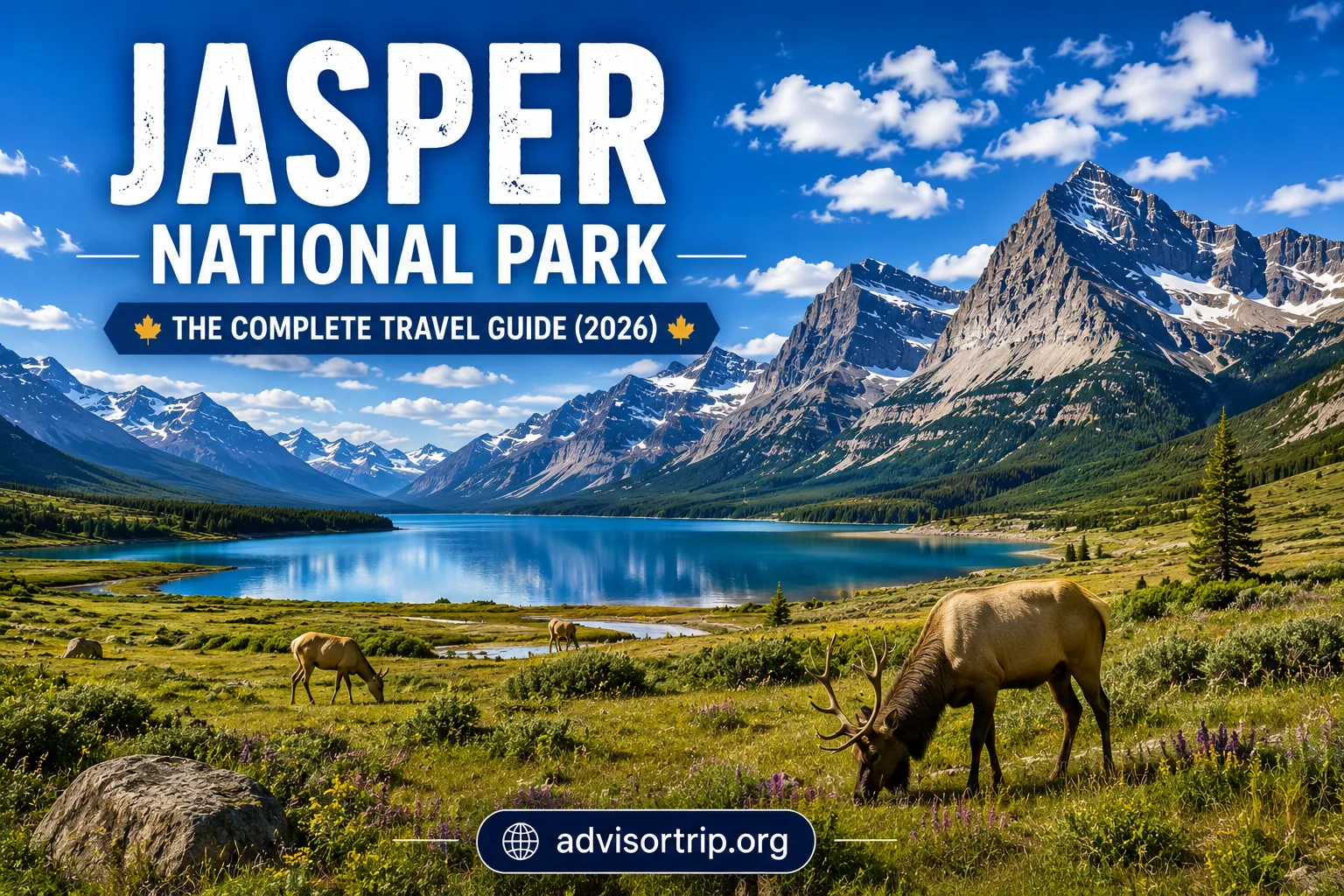
JaspJasper National Park is an excellent vacation destination for those who wish to see mountains, lakes, and wildlife during a single trip. As the largest national park in the Canadian Rockies, Jasper National Park offers vast landscapes filled with jaw-dropping pink sunsets, glistening blue lakes, and animals crossing the roads. I’ll guide you through what matters most: the best views in the park, the best activities, and some helpful advice to make your trip hassle-free.
A Quick Overview of Jasper National Park
Jasper National Park sits in Alberta, Canada, and covers 11,000 km², making it the largest national park in the Canadian Rockies. Canada established the park in 1907, and it now forms part of the Canadian Rocky Mountain Parks UNESCO World Heritage Site. The town of Jasper sits at the heart of it all and serves as a great base for tourists, offering access to most of the park’s attractions within an hour’s drive.
Like most mountain parks, Jasper feels wilder than most. Banff draws bigger crowds, but Jasper stays quieter, more remote, and offers a better chance for wildlife sightings. Views throughout the park rival anywhere else in the Rockies.
Before settlement, the Stoney Nakoda, Cree, and Métis First Nations used the land where Jasper National Park now sits. The area took its name from Jasper Hawes, an employee of the North West Company who operated a trading post nearby. Tourism began after workers built the railroad in the early 1900s, and it never really stopped.
Jasper National Park sits within the Canadian Rocky Mountains, a range that took millions of years to form as tectonic plates collided. After that, glaciers did most of the work shaping the land through erosion.
Why Jasper National Park Stands Out
Jasper National Park has many qualities that set it apart from other parks. First, its size allows for a wide variety of landscapes. Jasper National Park has glaciers, canyons, hot springs, alpine meadows, and pretty much everything in between.
Second, it holds the title of the largest accessible dark sky preserve in the world. With almost no light pollution, you can expect to see plenty of stars on any given night. Stargazing tops the list for a lot of people planning their trip here.
Third, the wildlife here is something else. Elk, bighorn sheep, black bears, grizzly bears, and woodland caribou all call this place home. Many visitors spot them frequently.
You can see why people call Jasper National Park a pretty special place.
Best Views in Jasper National Park
Maligne Lake and Spirit Island
Maligne Lake is likely the most photographed location in Jasper National Park. Even the name sounds impressive. Snow-capped peaks frame the lake’s stunning blue-green water. A boat tour takes you to Spirit Island, a small island that has become one of Canada’s most sought-after photo locations.
Athabasca Falls
This waterfall cuts through quartzite rock, creating a steep and beautiful gorge in the process. It’s perhaps the most popular site in Jasper National Park because it’s easy to access and offers short, beautiful walking paths nearby.
Mount Edith Cavell and Angel Glacier
A short hike is all it takes to reach views where Mount Edith Cavell looks like something straight out of a postcard. Angel Glacier is a stunner too, appearing as though it’s about to slide off the mountain. This might be the most beautiful, and most awe-inspiring, scenery in all of Jasper.
The Icefields Parkway and Jasper SkyTram
Many travelers praise this road as one of the most beautiful road trips in the world. It connects Jasper National Park to the scenic mountain village of Banff. The drive truly is stunning, passing glaciers, waterfalls, and turquoise-colored lakes, while giving you a glimpse of the Rocky Mountains along the way.
If you’d rather skip the long treks for a view, the Jasper SkyTram carries you most of the way up Whistlers Mountain. The view from the top includes the town of Jasper, the surrounding mountains, and the valley below. You can take it all in from one spot.
Top Activities in Jasper National Park
Hiking
With hundreds of kilometers of trails, Jasper National Park offers options for all types of travelers, from short, easy walks just outside town to multi-day backcountry hikes. Neither the Wilcox Pass Trail nor the Valley of the Five Lakes demands much effort, yet both offer incredible views in return.
Wildlife Watching
Wildlife watching is why most people visit Jasper National Park, and elk alone are reason enough. You’ll often find them just beyond the edges of town. Drivers commonly spot bighorn sheep along the roads of Jasper National Park too. Bears prove harder to find, but many visitors travel here specifically to see them from a safe viewing distance during the summer months.
Canoeing, Kayaking, and Hot Springs
Jasper National Park has numerous lakes suited for kayaking and canoeing, and Pyramid Lake and Maligne Lake rank among the most popular. You can bring your own gear or rent equipment at either lake.
Miette Hot Springs is the most popular stop after a long day of outdoor activities. The hot springs sit within the park, preserved as a natural, mineral-rich soak with a great view of the surrounding mountains.
Stargazing and Glacier Exploring
Thanks to its status as a Dark Sky Park, Jasper draws stargazers to its Dark Sky Festival every fall. Even outside the festival, Jasper offers incredible night skies thanks to its distance from nearly all forms of light pollution.
Located near Jasper, the Columbia Icefield gives guests the unique chance to walk on the Athabasca Glacier itself, with guided tours taking you right onto the ice.
Best Time to Visit Jasper National Park
Each season brings its own charm. Summer (June through August) delivers warm weather and full access to every trail, though it’s also the busiest stretch for visitors. You can spot wildlife easily throughout the mornings all summer long.
Fall arrives in September and October. The weather cools down, and so do the crowds. The Dark Sky Festival also kicks off in fall, making this the ideal stargazing season since clearer autumn skies replace the light pollution of summer. Changing leaf colors add extra beauty to the trails during this season too.
Winter runs from November through March. Snow covers the entire park. Snowshoeing, cross-country skiing, and ice climbing all become popular thanks to the snow and long winter nights.
Spring (April to May) brings more wildlife onto the trails, higher amounts of melting snow, and earlier openings for lower-elevation hikes, while higher trails may remain closed a bit longer.
How to Get to Jasper National Park
By car: About 4 hours from Edmonton, and roughly the same from Calgary via the Icefields Parkway.
By train: VIA Rail runs a scenic route from Vancouver and Edmonton to Jasper.
By bus: Several companies offer service from nearby areas, usually at a lower cost than driving or flying.
By air: The nearest major airports sit in Edmonton and Calgary. You’ll need a rental car for the drive in.
Practical Tips for Visiting Jasper National Park
Buy a park pass ahead of time. Everyone needs one to gain entry, and buying online is the more convenient option.
Book your accommodations early. Summer fills up fast, and so do the hotels within the park.
Bring bear spray if you’re planning a hike. Bears roam throughout the entire park, so it’s better to stay safe on longer hikes.
Pack layers in your luggage. Mountain weather can shift unpredictably.
Check trail closures caused by wildlife or weather. Knowing beforehand helps you avoid an unwanted surprise.
Fill up on gas in town before heading into the park. Services become scarce once you’re deep inside.
Keep your distance from bears and elk. Getting too close puts both you and the animal at risk.
Download offline maps before you go. Service becomes limited once you’re deep in the park.
Where to Stay Near Jasper National Park
Whether you want a room in town or a spot at a campsite, Jasper National Park has options for everyone. If you prefer staying near the amenities in town, hotels, lodges, and cabins all sit within walking distance of shops and restaurants.
For a closer connection to nature, several campgrounds offer camping options. Some provide tent sites only, while others include full RV hookups. Whistlers ranks among the largest campgrounds in the Canadian Rockies, while Wapiti Campground stays open year-round, catering to visitors brave enough to camp through winter.
If you want something more adventurous, backcountry camping remains an option. You’ll need a permit, and it’s smart to plan well ahead of peak season, since these spots fill up fast. Backcountry camping almost always feels more peaceful than staying in town.
Whatever you choose, book quickly. Everything near the major sites sells out fast, especially in summer.
Wildlife You Might See
Jasper National Park offers plenty when it comes to wildlife. Elk seem the most approachable, often wandering into town or grazing around the meadows. You’ll spot bighorn sheep along the cliff faces. Designated wildlife viewing areas let you approach both safely by car.
Black bears and grizzlies live in the park too, though spotting them proves more challenging since they tend to stay skittish and keep their distance. They stay most active in the early morning and evening hours, especially during berry season in late summer. Mountain goats also call Jasper National Park home, making themselves comfortable on steep rocky outcrops and frequenting mineral licks. Woodland caribou stay rarer, and spotting one feels like a genuine thrill since they remain endangered. A wildlife-focused tour gives you your best shot at seeing one.
Mountain pikas, chipmunks, and squirrels show up commonly throughout the hiking trails. These small mountain creatures tend to stay more active in the morning, alongside birds like eagles. You might also catch sight of an osprey or other songbirds.
Plenty of wildlife interactions can happen here. Keep ample distance from bears regardless of season, and from elk during breeding season. Never approach wildlife. Store your camping food properly, or you risk a fine. Always check the bear warnings that park rangers post.
Photography Tips and Local Etiquette
This place is genuinely photogenic. Here are a few tips.
Avoid shooting at midday, since the light gets harsh and doesn’t flatter landscape shots. Early morning light stays soft and brings out the richest colors in the landscape.
For shots of Spirit Island, boat tours let you get great close-up photos, since you can only view the island from the boat or from viewing platforms that offer the classic postcard shot. At Athabasca Falls, you can capture plenty of angles from the viewing platforms and from the bridge below the falls.
Wildlife photography demands patience, especially since animals tend to dart in and out quickly. Zooming in helps you get a better shot without getting too close.
Winter photography brings a nice contrast to summer. The bright greens and blues of summer give way to a quieter palette of whites and grays.
Practice good trail ethics. Stay on marked trails rather than wandering off them. Pack out all your food to avoid attracting animals.
Respect quiet hours at camp. Wildlife stays busy during these times.
Remember you’re not the only person using the trail. Leave plenty of space for other hikers on narrow paths, let faster hikers pass, and leash your dogs wherever the park permits pets. These small acts of trail etiquette make all the difference on such a beautiful trail.
Frequently Asked Questions About Jasper National Park
How many days should I spend in Jasper National Park? Most visitors spend three to five days here, though you can get a feel for the place on an overnight trip. More days give you more time for hiking, wildlife watching, and simply relaxing.
Is Jasper National Park good for families? Yes. Plenty of short, easy trails exist, and wildlife watching keeps kids engaged. The SkyTram and hot springs also make for family-friendly activities.
Do I need a car to visit Jasper National Park? Yes. Most sites sit outside of town, and the park offers very limited public transport options.
What is the best month to visit? September brings the Dark Sky Festival, ideal weather, and smaller crowds, making it a favorite among many visitors.
Are there grizzly bears in Jasper National Park? Yes, both black bears and grizzly bears live here. Stay cautious in all areas, though sightings tend to happen more often in remote areas.
Final Thoughts
Jasper National Park delivers nearly everything mountain enthusiasts picture as the complete mountain experience in North America. The park offers dramatic peaks, lakes so clear they almost look artificial, abundant wildlife, and dark skies full of stars. Whether you’re exploring trails, taking a trip out to Spirit Island, or simply sitting roadside watching elk graze, Jasper has a way of sticking with you. Wise travelers plan ahead and slow down just enough to take in the scenery.
The Moments That Actually Stick With You
For most travelers, the memories that stick don’t come from one single landmark, but from the quiet moments in between. Watching the sun set over the mountains. Spotting elk crossing the road. Watching the stars come out one by one. As people keep returning to Jasper again and again, it speaks to the park’s ability to turn ordinary moments into something extraordinary.
Why Slowing Down Pays Off
This park also rewards those who take their time. Instead of racing toward the next must-see destination, you’ll get more out of Jasper by taking it in gradually. That might mean a peaceful morning paddle across Pyramid Lake, or an unplanned stop to watch bighorn sheep along the road. Moments like these often capture travelers’ imaginations more than the big landmarks ever do, and taking time to appreciate them often becomes the most memorable part of the whole trip.
No matter how many times you’ve visited, the Canadian Rockies always feel unique, and often brand new. Changing light shifts your perspective even on the most familiar trails, while wildlife has a way of surprising you by crossing paths you didn’t expect. Clear nights reveal stars brighter than you remember. This park keeps drawing people back again and again, thanks to how its landscape highlights a constant sense of discovery alongside real natural beauty.
New visitor or returning one, it’s the small things worth watching for. The wind rustling gently through the trees. A valley falling into a new kind of silence just before a perfect sunset. That moment an elk catches you watching it, and returns the favor just as quietly. Moments like these end up becoming the best stories you’ll tell about the trip for years to come.