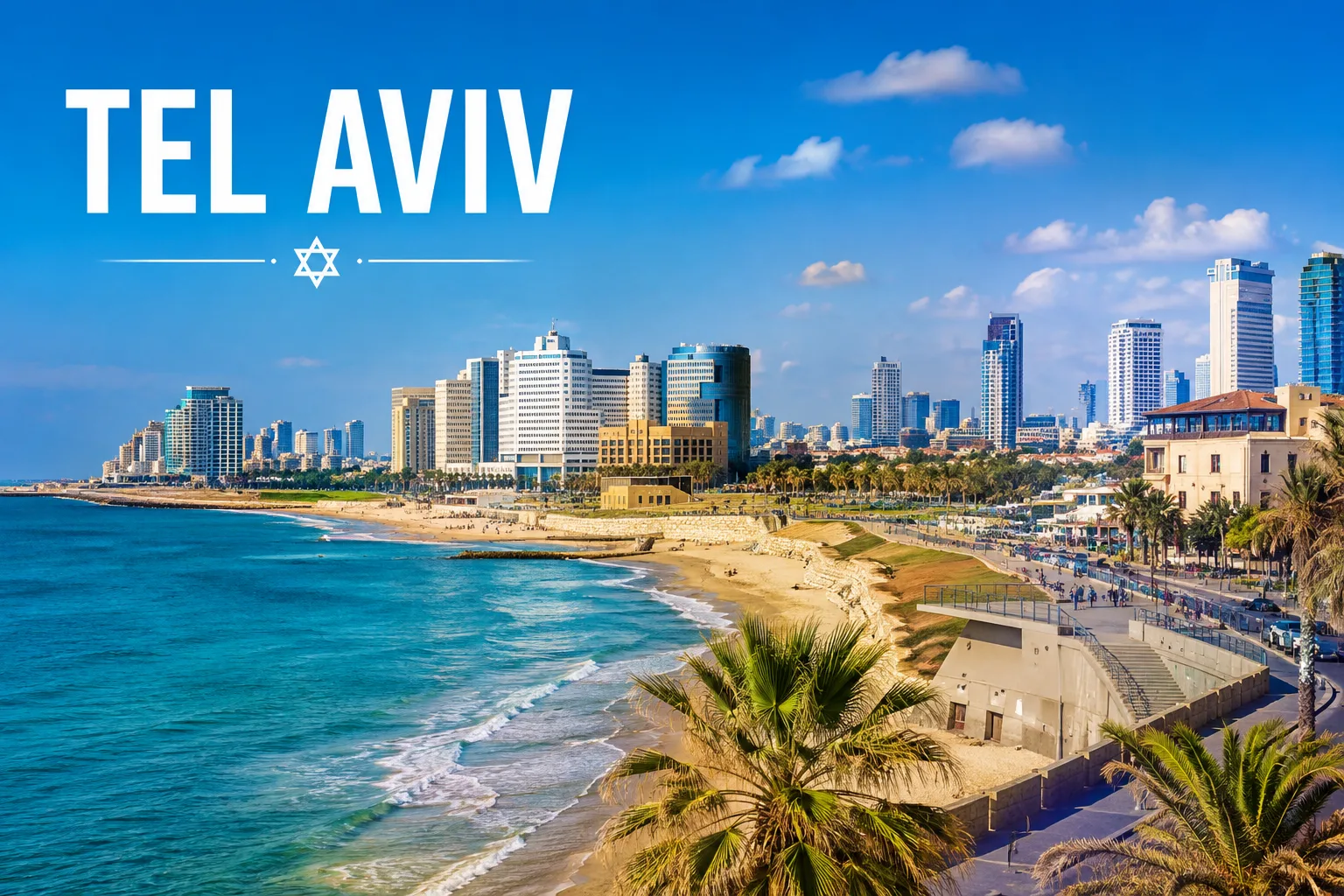
Tel Aviv Luxury Travel Guide 2026: Mediterranean Glamour Meets Old-World Soul
Tel Aviv Luxury Travel Guide 2026: Mediterranean Glamour Meets Old-World Soul
Tel Aviv doesn’t really try to be anyone else’s idea of luxury. It’s the kind of city where a rooftop infinity pool overlooks sea walls that have been standing for four thousand years, where a genuinely excellent dinner might end with a 2 a.m. walk along a beach that’s still warm from the day. Bauhaus buildings sit next to converted Ottoman-era ones. A booming tech scene operates a few blocks from a market that’s been trading since Roman times. If you want a Mediterranean trip with actual culture and edge to it, not just a manufactured resort feel, Tel Aviv in 2026 is still one of the more interesting luxury picks in the region — five-star beachfront hotels and design-forward boutique stays run roughly $400 to over $1,500 a night.
One honest note before getting into the fun stuff: Israel’s security situation has been genuinely up and down over the past couple of years, and government travel advisories currently sit at a cautionary level. That said, Tel Aviv and the country’s other main tourist areas have largely kept operating normally through it — hotels open, restaurants full, flights running. Conditions can shift with little warning, though, so it’s worth checking your government’s current advisory and your travel insurance coverage close to your actual departure date rather than trusting anything you read months in advance.
Quick Overview
| Detail | Info |
| Best For | Culture-focused couples, foodies, design lovers, city-beach combo trips |
| Best Time to Visit | April–June and September–October |
| Avg. Luxury Trip Cost | $400 – $1,500+ per night |
| Nearest Airport | Ben Gurion International Airport (TLV) |
| Visa Requirement | Visa-free for most Western nationalities (up to 90 days) |
| Currency | Israeli New Shekel (ILS) |
| Language | Hebrew (English widely spoken) |
Why Tel Aviv, Specifically?
Here’s the thing people don’t expect: Tel Aviv isn’t really selling relaxation the way a resort island does. It’s selling a city that happens to have one of the best urban beaches in the Mediterranean, plus a food scene, design culture, and nightlife that hold their own against much bigger European capitals.
The hotel scene has come a long way over the last decade or so. What used to be mostly international chain properties has turned into something a lot more interesting — heritage Bauhaus and pre-Bauhaus buildings converted into design-led boutique hotels, sitting alongside the full-scale beachfront towers with the pools and spas you’d expect. The best of them lean into the city’s own identity instead of importing some generic five-star template, which, if you’ve stayed at enough hotels that all blur together, is exactly what you start craving.
Then there’s the food, which is honestly hard to overstate. Tel Aviv has one of the highest densities of good restaurants per capita anywhere in the world, and it’s built on a genuinely distinct culinary identity — Mediterranean, Middle Eastern, and North African influences layered with a modern, ingredient-first sensibility that’s picked up real international recognition well beyond the region.
What really separates it from a typical Mediterranean luxury spot is how much gets packed into a walkable space. Rome or Barcelona might match it on history and food, but few cities let you go from beach to world-class market to design museum to rooftop dinner, all within about fifteen minutes on foot. That density is a big reason the city rewards a slower stay rather than a rushed two-night stopover — there’s just more happening per block than most beach destinations offer.
The architecture is its own surprise, too. Tel Aviv holds the largest concentration of Bauhaus and International Style buildings anywhere on Earth — enough that the “White City” district has UNESCO World Heritage status. Walk around Rothschild Boulevard and you’ll pass hundreds of these clean-lined, functionalist buildings from the 1930s, a lot of them now restored into the boutique hotels and design studios that define the city’s current luxury scene.
Best Areas to Stay
Beachfront (HaYarkon Street)
The obvious choice — direct beach access, the big five-star towers, easy walking to the northern promenade. Good fit if the beach is meant to be the centerpiece of your trip and you don’t mind a slightly more touristy strip.
Neve Tzedek & Rothschild Boulevard
The most design-conscious part of the city — restored heritage buildings, boutique hotels, independent shops, and some of the best restaurants around. Still a short walk or ride to the water, just with a lot more neighborhood character than the beachfront strip.
Old Jaffa
The oldest part of the city — stone architecture, a working port, views back over the Tel Aviv skyline. You give up a bit of beachfront convenience, but you gain atmosphere and history that the newer parts of town just don’t have.
Best Luxury Hotels & Resorts in Tel Aviv
Ultra-Luxury Beachfront
The flagship five-star towers sit right on the beach along HaYarkon Street — panoramic Mediterranean views, big pool decks, spas, the whole resort-level package for travelers who want everything handled. Typically $500 to over $1,200 a night, with top suites going well past that.
Boutique & Design Hotels
This is where the city’s personality really comes through. Restored heritage buildings — many from the Bauhaus era, some even older — have been converted into intimate boutique hotels, mostly around Neve Tzedek and Rothschild Boulevard. Rooftop infinity pools built over centuries-old foundations, hammam-style spas, design details specific to this city rather than copy-pasted from a chain playbook.
Historic Jaffa Stays
Down in Old Jaffa, just south of the main beach strip, a smaller group of luxury hotels occupies genuinely historic buildings — stone construction, narrow alleyways, sweeping port views. You trade some beachfront ease for atmosphere and history you won’t find in the newer parts of the city.
Top Experiences for Luxury Travelers
Private Food Tours
Given how strong the food scene is, a private guided tour through the Levinsky and Carmel markets is one of the best-value things you can book — tastings arranged with actual vendors, real context on the city’s food history, and usually a stop most visitors would never stumble onto alone.
Fine Dining
The restaurant scene has picked up genuine international attention, with chefs blending Mediterranean, Middle Eastern, and North African traditions into something that doesn’t really exist elsewhere. Reservations at the top tables are competitive, so book earlier than you think you need to.
Beach Clubs and Rooftop Bars
The beachfront naturally lends itself to beach-club culture — private cabanas, daybeds, full food and drink service a few steps from the water, sliding into rooftop bars once the sun goes down.
Old Jaffa and Cultural Walks
A private guided walk through Old Jaffa’s stone alleys, flea market, and port covers thousands of years of layered history in a couple of hours — Ottoman, British Mandate, and ancient influences all sitting within a few blocks of each other.
Wine and Wellness
The countryside around Tel Aviv has built a surprisingly strong wine scene over the past two decades, and more luxury travelers are now working a half-day winery trip into the hills into their itinerary. On the wellness side, several of the city’s top hotels have put real investment into spa offerings that mix traditional hammam treatments with more contemporary wellness programming — a good way to balance out the food-and-nightlife pace of the trip.
Culture, Language, and What Makes the City Tick
Tel Aviv is young by regional standards — founded in 1909 as a modern extension of the ancient port city of Jaffa right next door — and that youth is really part of its identity. Where Jerusalem carries layered religious history, Tel Aviv has always positioned itself as the secular, cosmopolitan counterpoint: a city built around beach culture, nightlife, business, and the arts rather than pilgrimage.
Hebrew is the main language, but English is spoken fluently across hospitality and by most younger residents, so you’re not going to need a guide glued to your side just to get around. The population is genuinely diverse — residents from across the global Jewish diaspora plus a sizable international business and tech community — and that mix shows up in the restaurant scene as much as anywhere.
Worth mentioning too: Tel Aviv is widely considered one of the most LGBTQ+-friendly cities in the Middle East, with an established Pride celebration and a nightlife scene that reflects it.
Where to Eat — Fine Dining Guide
| Style | What to Expect | Price Range |
| Modern Israeli Fine Dining | Tasting menus blending Mediterranean & Middle Eastern technique | $$$$ |
| Rooftop Restaurant | Elevated dining with skyline or sea views | $$$ |
| Market-Style Dining | High-quality, casual small plates in a market setting | $$ |
| Hotel Signature Restaurant | Chef-driven menus, often with kosher options available | $$$ |
Getting There & Getting Around
Flights. Ben Gurion International Airport (TLV), about 20 minutes from central Tel Aviv, is the main gateway. Business-class travelers usually connect through major European, North American, or Asian hubs — London, New York, and Istanbul have generally offered solid connectivity — though it’s worth confirming current schedules directly with your airline, since routes have shifted a few times over the past couple of years.
Getting around. Central Tel Aviv is compact and genuinely walkable, with most luxury hotels, beaches, and top restaurants within a short distance of each other. Private drivers and premium rideshares cover longer trips easily, including day excursions to Jerusalem (about an hour away) or the coastal ruins at Caesarea.
Day trips. The location makes Tel Aviv a good base for exploring further — Jerusalem’s Old City, the ancient port at Caesarea, or wineries in the nearby countryside are all reachable within a couple of hours by private car, letting you pair a beach-city stay with deeper history and culture.
Best Time to Visit
| Period | Weather | Crowds | Price Level |
| Apr – Jun | Warm, sunny, comfortable humidity | Moderate | Moderate–High |
| Jul – Aug | Hot, peak beach season | High | Highest |
| Sep – Oct | Warm, less humid, excellent for dining/walking | Moderate | Moderate |
| Nov – Mar | Mild, occasional rain, cooler evenings | Lower | Lowest |
Spring (April–June) and early fall (September–October) tend to hit the sweet spot — warm enough for the beach, comfortable enough for long days of walking and outdoor dining, without the peak-summer heat and crowds.
Estimated Luxury Trip Budget (2026)
| Category | Budget Range (per night, per couple) |
| Accommodation | $400 – $1,500+ |
| Meals (fine dining focus) | $150 – $400 |
| Private Transport/Drivers | $100 – $300 |
| Excursions & Day Trips | $150 – $500 |
| Estimated 5-Night Trip Total | $4,000 – $13,000+ |
Packing and Practical Notes
- Dress code is casual by day, elevated by night. Beachwear is fine near the shore, but a lot of the top restaurants lean smart-casual to dressy once the sun goes down.
- Shabbat affects logistics. From Friday afternoon through Saturday evening, public transport is limited and a lot of businesses close — plan key reservations and shopping around this if you can.
- The sun is stronger than you’d expect, even in shoulder-season months. A proper hat and reef-safe sunscreen are worth packing no matter when you go.
- Bring shoes you can actually walk in. Between the beach promenade, the markets, and Old Jaffa’s stone streets, this is a city best done on foot.
- Build in extra airport time, especially for departure — Israeli airport security can involve more questions or screening than you’re used to elsewhere.
Insider Tips
- Book your best restaurant reservations earlier than you think you need to — the top tables fill up fast, especially on weekends.
- If walkability and design matter more to you than direct beach access, stay in Neve Tzedek or Rothschild Boulevard instead — both are still a short ride from the water.
- Remember Shabbat runs Friday afternoon through Saturday evening, and plan around it if certain shops or restaurants are a priority.
- Pair your stay with a Jerusalem day trip. The contrast between the two cities is honestly a big part of what makes an Israel trip memorable.
- Check your government’s current travel advisory and confirm your airline’s schedule close to departure — regional conditions can move quickly.
- Book beach club cabanas ahead of time if you’re going in peak summer; the good spots along HaYarkon Street go early on weekends.
- Consider travel insurance with flexible cancellation terms. A few major airlines have offered rebooking waivers for Tel Aviv routes at points in 2026, which tells you something about how worth it that flexibility can be.
FAQ
Is Tel Aviv good for a luxury honeymoon or romantic trip? Yes — beachfront hotels, a serious dining scene, and boutique stays in atmospheric neighborhoods like Neve Tzedek make it a strong pick for couples who want culture and romance together rather than pure resort downtime.
How many days do you need? Four to six nights works well for the city itself, plus an extra day or two if you’re adding a Jerusalem trip or a broader Israel itinerary.
Do you need a car, or is it walkable? Central Tel Aviv is highly walkable. Most luxury travelers get by fine on foot plus the occasional rideshare or private driver for day trips outside the city.
Best neighborhood for a first visit? Rothschild Boulevard or Neve Tzedek — good balance of walkability, design character, and proximity to both the beach and the best restaurants.
Conclusion
Tel Aviv isn’t chasing the postcard version of Mediterranean luxury — it’s offering something with more texture: real history, a food scene that rivals much bigger cities, and a beach culture that feels lived-in rather than staged for tourists. If you want a luxury trip with some substance and a bit of edge, not just a nice pool, Tel Aviv delivers something that’s genuinely hard to find anywhere else in the region. Pair a few beachfront days with a Jerusalem detour, lock in the hard-to-get dinner reservations early, and the city has a way of rewarding anyone who gives it more than a rushed overnight stop.
Ready to plan your Tel Aviv escape? Explore more of our luxury destination guides on AdvisorTrip.
Glamour Meets Old-World Soul