The Louvre Museum: A Luxury Traveler’s Guide to Paris’s Most Iconic Landmark
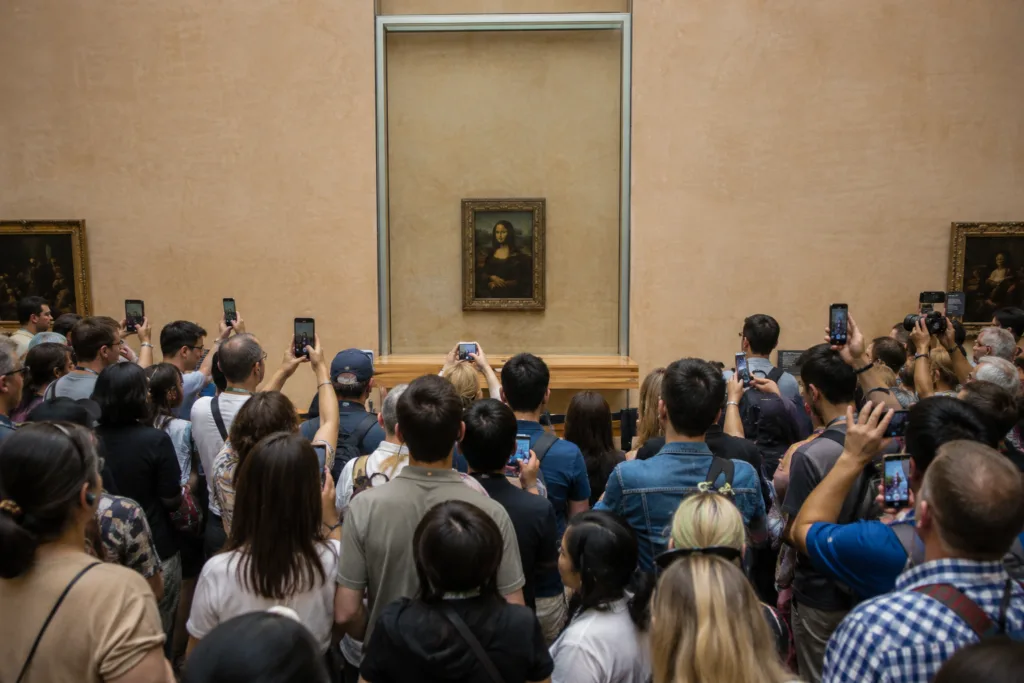
There’s a version of visiting the Louvre that involves two hours in line, a frantic sprint to the Mona Lisa through a wall of raised phones, and leaving more exhausted than inspired. And there’s another version — a private guide waiting at a side entrance, a quiet gallery at opening hour, a glass of champagne afterward on a terrace overlooking the Tuileries. Both are technically “visiting the Louvre.” Only one of them actually delivers what the world’s most famous museum is supposed to feel like. For luxury travelers heading to Paris in 2026, doing the Louvre properly — with the right timing, the right access, and a bit of planning — turns what’s often a checklist item into one of the genuine highlights of the trip in Louvre Museum
Quick Overview
| Detail | Info |
| Best For | Art and history lovers, first-time Paris visitors, culture-focused couples |
| Best Time to Visit | Weekday mornings at opening, or Wednesday/Friday late evenings |
| Standard Ticket Price | €22 (EEA residents) / €32 (non-EEA visitors) |
| Private Guided Tour | From roughly €313 for a private group |
| Location | 1st Arrondissement, central Paris |
| Opening Hours | 9:00 AM – 6:00 PM daily except Tuesday; late until 9:45 PM Wed & Fri |
| Nearest Metro | Palais-Royal–Musée du Louvre (Line 1) |
Why the Louvre Deserves More Than a Rushed Visit
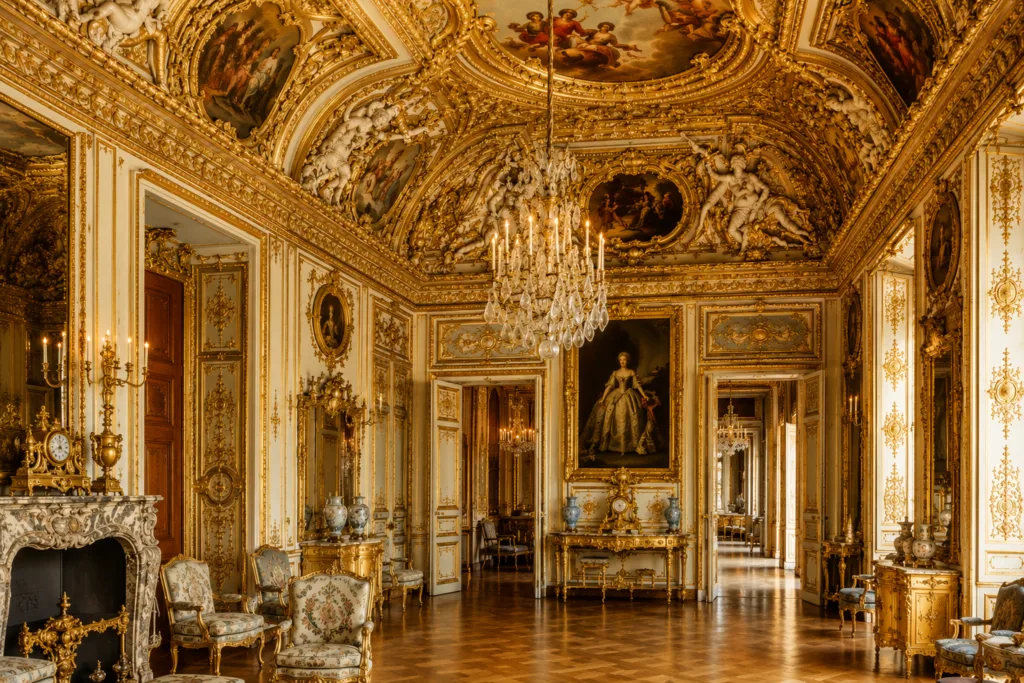
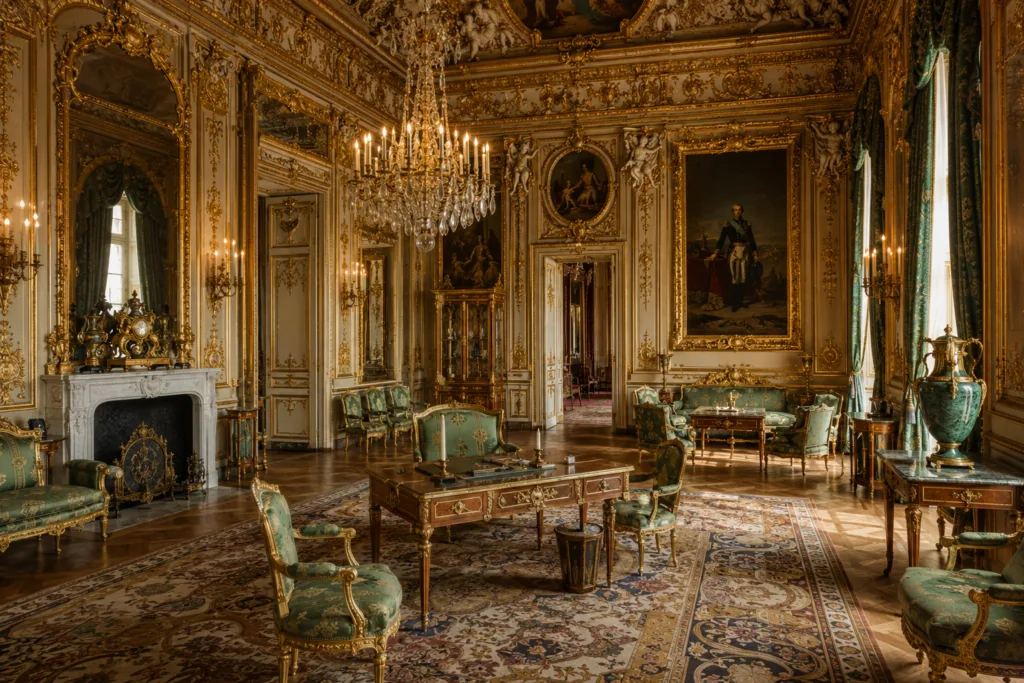
It’s easy to forget, standing in the crush of the main Pyramid entrance, that the Louvre wasn’t originally built to hold art at all. It started life as a fortress in the late 12th century, was later transformed into a royal palace, and only became a public museum after the French Revolution. Wander into the right wing — the 18th-century apartments in particular — and you’re not just looking at furniture behind glass, you’re standing inside rooms that genuinely functioned as a palace, gilded ceilings and all. That layered history is part of why a rushed visit sells the place short. You’re not touring a museum built for art; you’re touring a palace that happened to become one.
The scale alone makes planning essential. The Louvre is the largest museum in the world by exhibition space, with over 400 rooms spread across roughly 8.5 miles of corridors, and it draws close to 9 million visitors a year, making it the single most-visited museum on the planet in Louvre Museum. Walk in without a plan and you’ll spend most of your visit lost, in line, or stuck in a crowd around the Mona Lisa rather than actually looking at the tens of thousands of other works on display.
For 2026 specifically, the official Louvre website confirms the museum has tightened security procedures and introduced dual pricing — €22 for EEA residents, €32 for everyone else, a meaningful jump for international visitors that makes advance planning even more worthwhile if you want to avoid paying for a rushed, badly timed visit. Reservations have also become required during the busiest summer months, which is one more reason a luxury, planned-out approach beats showing up and hoping for the best place of Louvre Museum.
It’s also worth knowing that the Louvre’s collection spans an almost dizzying range — over 35,000 works on permanent display, drawn from prehistory through the mid-19th century, organized across three connected wings: Denon, Sully, and Richelieu. Each wing has its own character and its own crowd pattern, and understanding that structure ahead of time is genuinely more useful for planning a visit than any single list of “must-see” works. Denon houses the Italian Renaissance masterpieces and draws the heaviest foot traffic by a wide margin. Sully, built around the museum’s medieval fortress foundations, blends ancient Egyptian, Greek, and Roman antiquities with a literal walk through the Louvre’s own history as a building. Richelieu, the quietest of the three, holds French, Northern European, and Islamic art collections that reward travelers willing to walk a bit further from the main entrance in Louvre Museum.
A Building With Its Own History
Before getting into logistics, it’s worth pausing on what makes the Louvre different from nearly every other major museum on earth: the building itself is as historically significant as much of what’s inside it. Parts of the original medieval fortress foundations are still visible in the Sully wing’s lower level, preserved and displayed as part of the museum experience rather than hidden away during renovation in Louvre Museum. Walking through this section means literally descending into 12th-century stonework before ascending back into galleries filled with paintings created centuries later — a kind of layered time travel that few museums anywhere can offer.
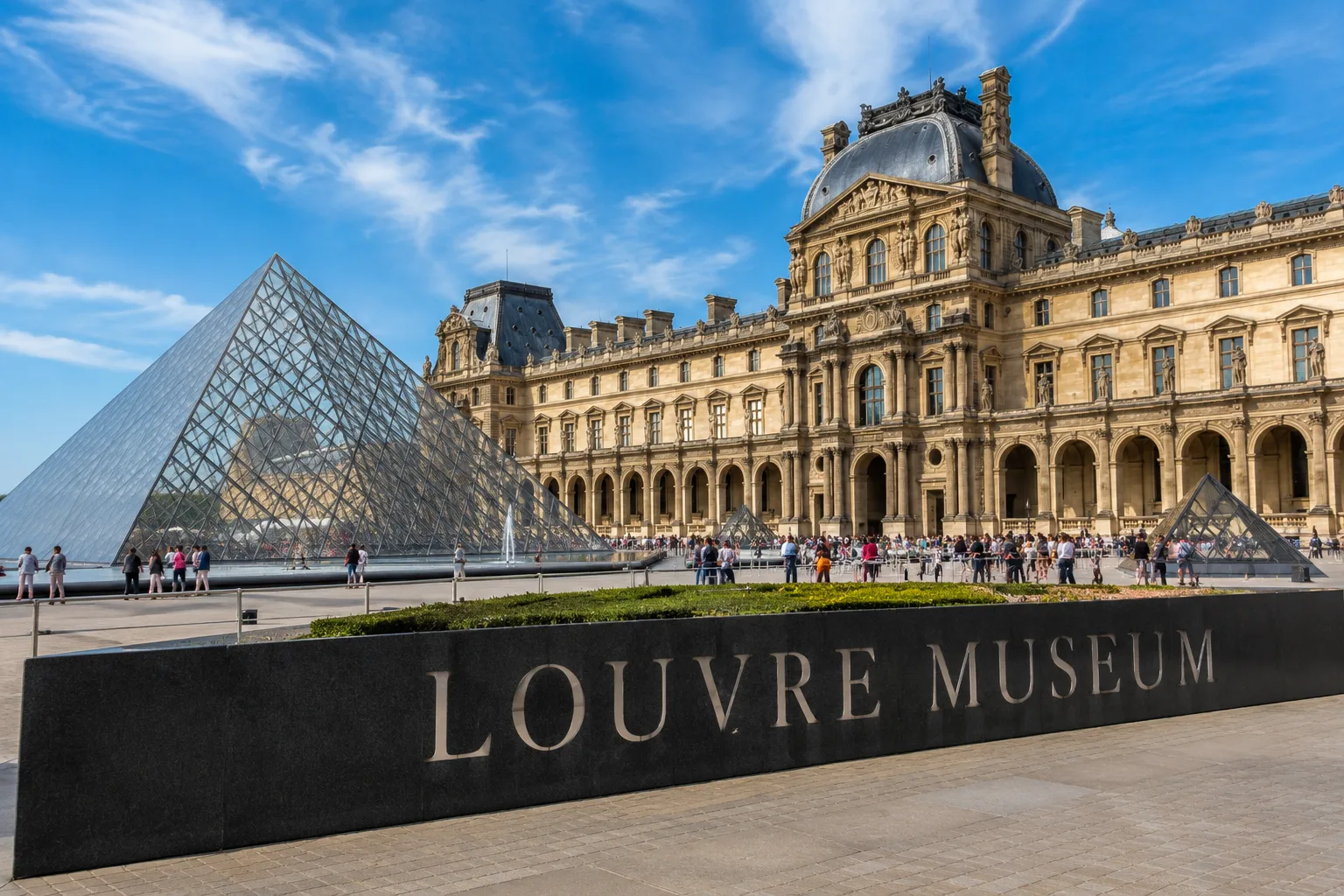
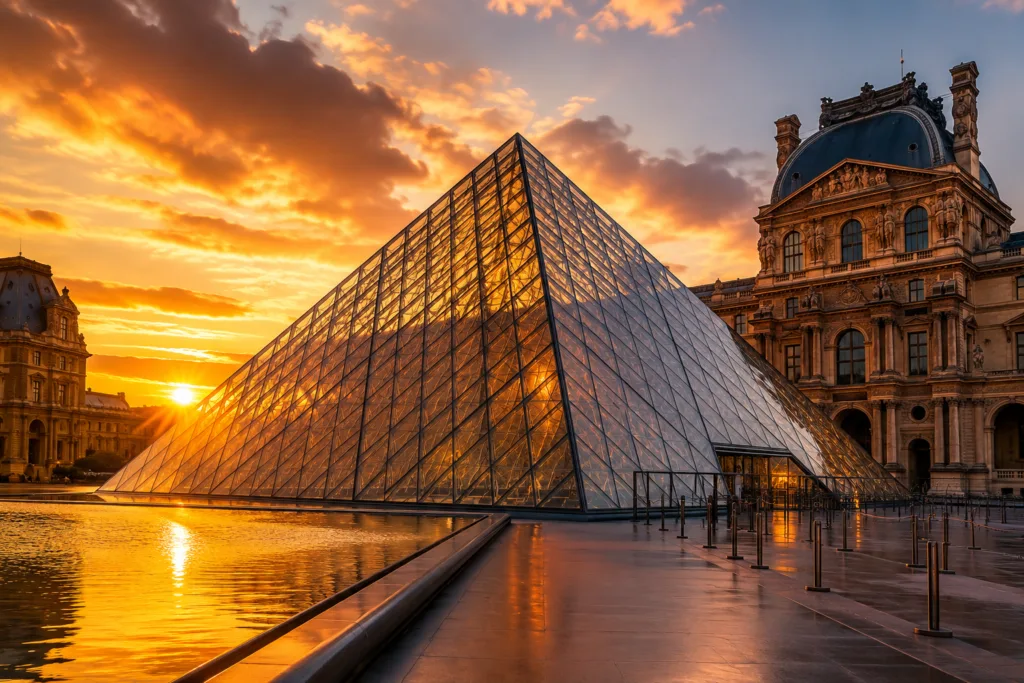
The transformation from fortress to palace to museum happened gradually across several centuries, with successive French monarchs expanding and rebuilding portions of the complex. The result is a building that doesn’t feel architecturally uniform in the way a purpose-built museum does — different wings carry distinctly different eras of design, from medieval stonework to Renaissance grandeur to the glass Pyramid, added in 1989, that now serves as the museum’s most recognizable modern symbol. That Pyramid, controversial when it was first unveiled, has become as iconic as anything housed inside the museum itself, and it’s worth taking a few minutes to appreciate from the courtyard rather than treating it purely as a doorway to rush through in Louvre Museum
Getting In Without the Wait
The single biggest variable in how good your Louvre visit feels is timing, not money. The main Pyramid entrance is the one everyone photographs and, unfortunately, the one everyone queues at. Skip it. The Carrousel du Louvre entrance, accessed underground from the Metro, bypasses the Pyramid line entirely and opens at 7 AM — a full two hours before the main museum crowds arrive in Louvre Museum. The Porte des Lions entrance offers a similarly quiet alternative, though it keeps shorter hours and closes on Tuesdays along with the rest of the museum in Louvre Museum.
Timing your visit matters just as much as your entrance choice in Louvre Museum. The busiest window, hands-down, is 11 AM to 3 PM, when the main galleries can genuinely be difficult to move through. Arriving right at opening — 9 AM on a weekday — gets you into the Denon wing before the crowds catch up, and Thursday is generally considered the calmest day of the week to visit. If mornings aren’t realistic, the museum’s late-night openings on Wednesday and Friday, until 9:45 PM, offer a different kind of magic entirely: dramatically lit galleries, a noticeably lighter crowd, and an atmosphere that feels closer to having the place to yourself than anything you’ll get during the day.
Private Tours and VIP Access
For travelers who want the experience handled rather than self-navigated, private guided tours are where the Louvre genuinely earns its place in a luxury itinerary. Small-group tours capped around a dozen people run roughly €149 per person, while fully private tours — just your own party and a dedicated guide — start around €313 and scale up from there depending on group size and specialization.
The value isn’t just about skipping lines, though that’s part of it. A knowledgeable private guide restructures the entire experience: instead of wandering 400 rooms hoping to stumble onto something worthwhile, you’re taken directly to the pieces that matter, with context that turns a painting into a story. Most private tours anchor themselves around three works that reward a guide’s context enormously — the Winged Victory of Samothrace at the top of the Denon wing staircase, the Mona Lisa itself, and the Venus de Milo in the Sully wing. Turn around after viewing the Mona Lisa and you’ll find yourself facing the Wedding at Cana, the largest painting in the entire museum, which most rushed visitors walk right past without noticing in Louvre Museum.
Beyond the headline works, specialized private tours can focus on specific interests — Egyptian antiquities, Northern European painting, French decorative arts — letting travelers go deep on whatever actually interests them rather than following a generic highlights reel. For repeat visitors or serious art lovers, this kind of curated, subject-specific access is where the Louvre stops feeling like a tourist stop and starts feeling like a genuine cultural experience in Louvre Museum.
Beyond the Mona Lisa: Where the Crowds Thin Out
The Denon wing, home to the Mona Lisa and most of the Italian Renaissance collection, is where the vast majority of visitors spend their entire trip — understandably, but at a real cost to the actual experience in Louvre Museum. The Richelieu wing, by contrast, is where more experienced visitors tend to head: Napoleon III’s lavishly preserved apartments, an excellent collection of Northern European painting including major works by Vermeer and Rembrandt, and the Mesopotamian collection anchored by the Code of Hammurabi. You’ll find roughly a third of the crowds and considerably more breathing room to actually look at what’s in front of your in Louvre Museum
For travelers whose interest in Northern European painting gets sparked by the Louvre’s small but excellent collection, it’s worth knowing this is really just an appetizer — the Rijksmuseum in Amsterdam is generally considered the next stop for anyone who falls for Dutch masters here.
Where to Eat and Stay Nearby
A Louvre visit pairs naturally with a stay in the 1st Arrondissement, putting you within walking distance not just of the museum but of the Tuileries Garden, Place Vendôme, and the Seine itself. Several of Paris’s most storied luxury hotels sit within a few minutes’ walk of the Pyramid entrance, many with rooftop terraces or bars offering direct views over the museum and gardens — a genuinely striking way to unwind after a morning spent among the world’s most famous artworks of Louvre Museum.
For dining, the area around the Louvre and Palais-Royal offers everything from Michelin-starred tasting menus to elegant, old-world bistros that have been serving the same classic French dishes for generations. Booking ahead is essential for anything upscale, particularly around dinner service, given how much of central Paris’s best dining concentrates in this part of the city.
For a genuinely memorable finish to a Louvre day, several rooftop bars and hotel terraces in the surrounding neighborhood offer direct or near-direct views over the museum and the Tuileries Garden beyond it — a fitting way to sit with what you’ve just seen rather than rushing straight into the next item on a Paris itinerary. Late afternoon or early evening, as the light softens over the gardens, tends to be the best window for this kind of unhurried wind-down in Louvre Museum.
Pairing the Louvre With the Rest of Paris
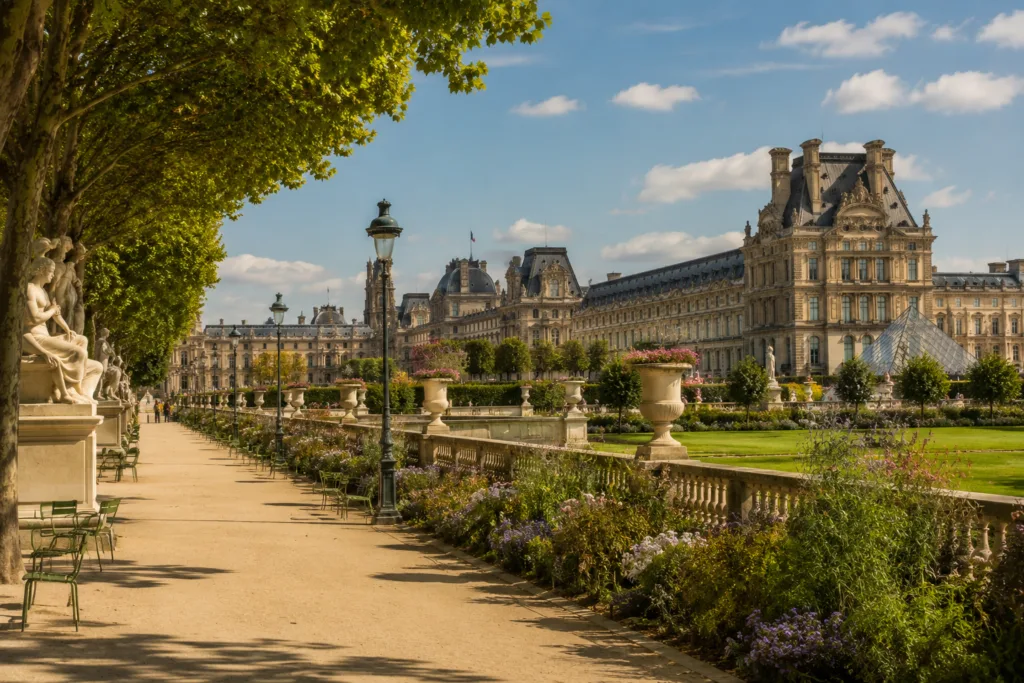
Given its central location, the Louvre works naturally as an anchor for a broader day of exploring the 1st Arrondissement. The Tuileries Garden extends directly from the museum’s western edge, offering a genuinely pleasant walk toward Place de la Concorde and, beyond it, the Champs-Élysées. Place Vendôme, a short walk north, is worth a stop for travelers interested in luxury jewelry and watchmaking, home to flagship boutiques for some of the world’s most storied houses in Louvre Museum.
Travelers building a full day around the museum often pair a morning Louvre visit with an afternoon at the Musée d’Orsay, a fifteen-minute walk or short taxi ride across the Seine — the two collections complement each other well, with the Orsay picking up roughly where the Louvre Museum chronology leaves off, moving into Impressionist and early modern work. A combined ticket covering both museums, along with a Seine river cruise, has become an increasingly popular way to structure a single, well-rounded day of Parisian culture without the logistics of planning each piece separately.
If Paris is one stop on a longer luxury itinerary, it’s worth browsing our other luxury destination guides for inspiration on where to head next — from the volcanic scenery of our Guatemala luxury travel guide to the Mediterranean energy of our Tel Aviv luxury travel guide.
Practical Tips for a Luxury Louvre Visit
- Book timed-entry tickets well in advance, especially for summer travel, when reservations are mandatory rather than optional.
- Choose the Carrousel du Louvre entrance over the Pyramid to skip the worst of the queue, and arrive right at opening if you want the calmest possible galleries.
- Budget two to three hours for highlights, or a full afternoon if you want to wander properly — this is not a museum that rewards rushing in Louvre Museum.
- Consider a private guide if this is a first visit; the context alone transforms the experience, and the time saved navigating 400 rooms is worth the cost on its own.
- Save Richelieu for after Denon if the crowds around the Mona Lisa wear you out — it’s a genuinely different, quieter experience covering equally significant work in Louvre Museum
- Take advantage of Wednesday or Friday late openings for a dramatically different atmosphere than the daytime crush.
- Check current exhibition and security updates before your trip — the museum has tightened procedures in 2026, and temporary exhibitions typically require a separate ticket beyond general admission.
- Look into combo tickets if pairing with other sites, such as the Musée d’Orsay or a Seine river cruise — bundling can save both money and the hassle of booking each separately.
Frequently Asked Questions
How long should I spend at the Louvre? Two to three hours covers the essential highlights comfortably; art lovers who want to explore more thoroughly should plan for a full afternoon or even a return visit.
Is a private tour worth it for the Louvre specifically? For most first-time visitors, yes — the museum’s scale makes self-navigation genuinely difficult, and a private guide both saves time and adds context that’s hard to replicate with a guidebook alone.
What’s the best day and time to visit to avoid crowds? Thursday is generally the calmest day, and arriving right at 9 AM opening or visiting during the Wednesday/Friday late-night hours both offer a noticeably lighter experience than midday visits.
Do I need to book tickets in advance? Yes, especially for summer travel (July–August), when advance reservations are required rather than optional; booking ahead year-round is still strongly recommended to secure a specific entry time in Louvre Museum.
Do I need to speak French to have a smooth visit? Not really — signage, ticketing, and most staff interactions are available in English, and private guides typically offer tours in multiple languages, so language is rarely a barrier for international visitors.
Conclusion
The Louvre isn’t just a stop on a Paris itinerary — done right, it’s one of the most rewarding cultural experiences available anywhere in the world. The difference between a forgettable, crowd-fought hour near the Mona Lisa and a genuinely memorable morning inside a former royal palace comes down almost entirely to planning: the right entrance, the right hour, and ideally a guide who knows where to take you. For travelers willing to put in that bit of extra thought, the Louvre delivers exactly what its reputation promises — and often a good deal more, once you get past the Pyramid and into the quieter wings most visitors never find the time to see in Louvre Museum.
Whichever way you choose to approach it — a private guide at opening, a quiet Wednesday evening wander, or a slower afternoon split between Denon and Richelieu — the Louvre rewards travelers who treat it as a destination in its own right rather than a box to tick before lunch
Ready to plan your Paris escape? Explore more of our luxury destination guides on AdvisorTrip.